Rajkot
08048069308
+918799375195

Products

6814772a5d263414004dd4a4 Card 2

product image
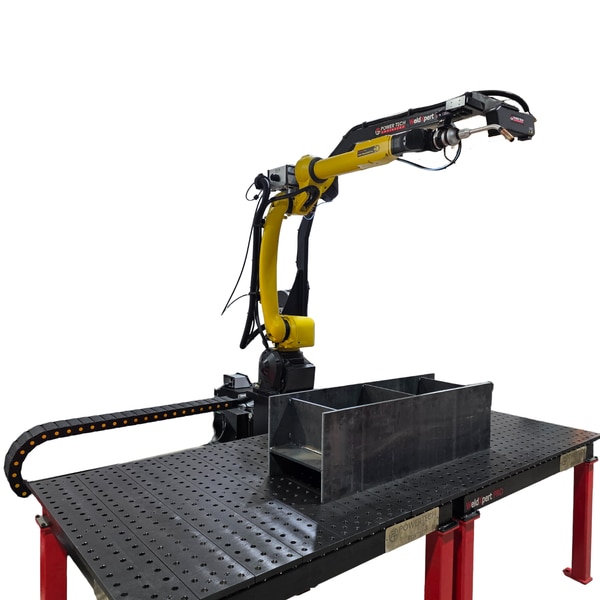
Teach Free Drawing Free Robotic Intelligent Welding System

No Teaching. No Drawing. Just Welding Intelligent Robotic Welding Autonomy Engineered, integrated & commissioned by Powertech Engineers. WeldXpert Pro is a fully integrated industrial robotic welding solution engineered for precision, scalability, and high-duty continuous production. The platform delivers next-level scandriven path intelligence, torch posture autonomy, and multi-axis coordinated motion — eliminating manual robot teaching, part drawings, and conventional programming delays from production welding. With integrated 3D Laser Scanner accompanied with laser seam tracking, real-time deviation correction, offline digital-twin simulation, and an intelligent welding-technique database. *Perception, Digitization & Joint Definition - Laser/structured-light scanning captures live workpiece geometry, producing a high-density 3D point cloud of weld topology and joint contours. - Advanced algorithms reconstruct a true digital model from scanned data, classify joint types, and automatically determine weld-edge continuity even on irregular or deformed assemblies. - Proprietary path gen engines analyze geometry, predict torch accessibility, plan posture transitions, and auto-generate weld-optimized motion toolpaths. *Scalable Robot Mounting & External Axis Ecosystem Powertech Engineers deploys robots in flexible industrial mounting formats to match weld envelope and accessibility: - 6-Axis Fixed Base, 7-Axis Floor Rail, Cantilever Linear Mount (7/8/9-Axis), Robot + 2-Axis Rotate-Tilt Positioner: - Max Cell Configuration: Robot + 3 gantry Axis + 2 rotate-tilt Axis
6814772a5d263414004dd4a4 Card 2

product image
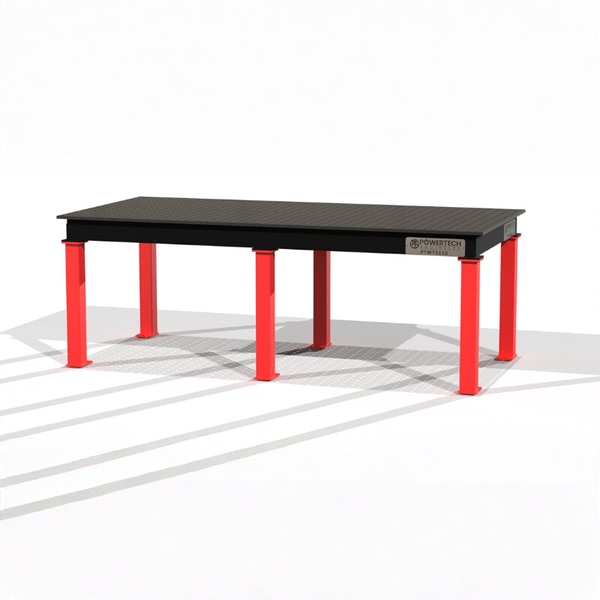
Welding Tables

2D Modular Welding Tables For Heavy Duty Applications Specifications : - Size: 2100 mm x 1000 mm - 50 x 50 mm Grid Throughout Table - Plate Thickness: 16 mm - Table Height: 750 mm - Clamping Bore Diameter: 16 mm - Plate Material: IS 2062 Steel - Surface Treatment: Gas Nitriding (0.2mm Case Hardening) - Reinforced frame with load bearing capacity of up to 800 kg/mt. - Surface Flatness: ±0.5 mm/meter Key Features : - Load Bearing Anchoring System : For secure attachment to the floor of production facility to protect against tension, pressure and movement (for robot use). - Surface Teatment : Reduces welding spatter to stick to the surface of table. - More Freedom for Your Work : If the component is larger, the worktop of table can be easily extended with additional plates. We currently offer Welding Tables in Sizes 1200 × 1100 mm & 2100 × 1000 mm, engineered for precision and durability. Additionally, We provide customized table dimensions and configurations tailored to meet specific application requirements and workspace layouts. Contact us on ask@powertecheng.in or Call us or Whatsapp on +91 87993 75195 for details.

6814772a5d263414004dd4a4 Card 2

product image
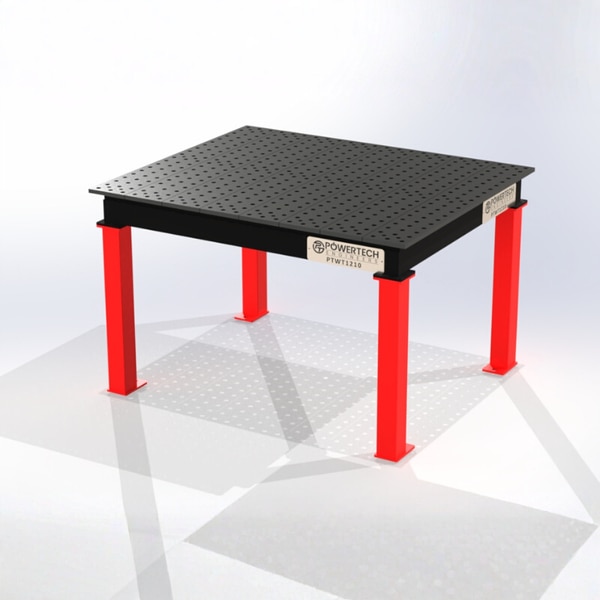
Welding Tables

2D Modular Welding Tables For Simple and Medium Duty Applications Specifications : - Size: 1200 mm x 1000 mm - 50 x 50 mm Grid Throughout Table - Plate Thickness: 16 mm - Table Height: 750 mm - Clamping Bore Diameter: 16 mm - Plate Material: IS 2062 Steel - Surface Treatment: Gas Nitriding (0.2mm Case Hardening) - Reinforced frame with load bearing capacity of up to 800 kg/mt. - Surface Flatness: ±0.5 mm/meter Key Features : - Load Bearing Anchoring System : For secure attachment to the floor of production facility to protect against tension, pressure and movement (for robot use). - Surface Teatment : Reduces welding spatter to stick to the surface of table. We currently offer Welding Tables in Sizes 1200 × 1100 mm & 2100 × 1000 mm, engineered for precision and durability. Additionally, We provide customized table dimensions and configurations tailored to meet specific application requirements and workspace layouts. Contact us on ask@powertecheng.in or Call us or Whatsapp on +91 87993 75195 for details.

6814772a5d263414004dd4a4 Card 2

product image
Fiber Laser Scribing Machine

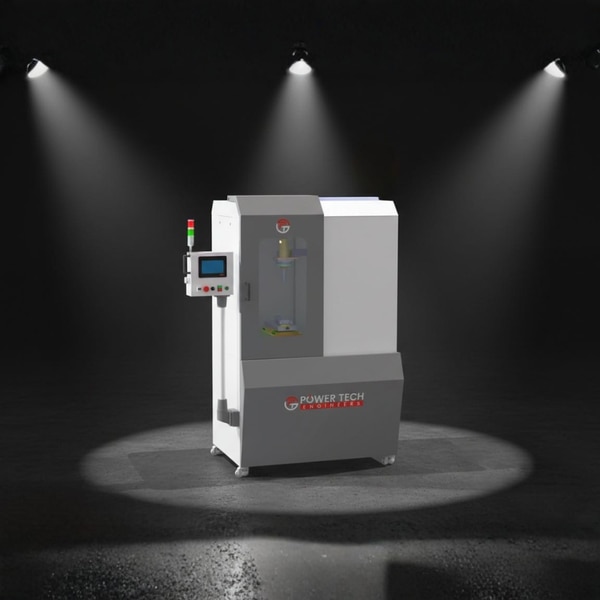
Laser Scribing of Connecting Rods is a precision machining process that involves the use of a laser beam to make fine cuts or marks on the big end bore of Connecting Rod. Connecting Rods are crucial components in internal combustion engines, and Laser Scribing is employed for various purposes in their manufacturing and assembly. Here's how Laser Scribing of Connecting Rods is typically carried out: 1. Material Preparation: Connecting Rods, typically made of steel or aluminum, are prepared and positioned. 2. Laser Generation: A Laser Cutting Machine with a suitable Laser Source is employed, selected based on the Connecting Rod Material. 3. Fixturing: Connecting Rods are securely fixed in a precision fixture for stability during Laser Scribing. 4. Program Design: A CNC system is used to program the desired scribing pattern into the Laser Cutting Machine. 5. Laser Scribing: The Laser beam is directed onto the Connecting Rod's surface, creating fine cuts or marks with controlled depth and width. 6. Quality Control: Post-scribing, quality checks are conducted to ensure the marks meet specified tolerances and standards. Purpose of Scribing: Laser Scribing is utilized in connecting rods to create weakened grooves for precision cutting. This involves making controlled marks on the rod's surface, serving as predetermined lines for subsequent cutting. This technique ensures accurate and controlled cuts, contributing to efficient production and structural integrity. Advantages: - Precision: Laser scribing provides high precision, allowing for intricate markings with minimal material removal. - Speed: The process is generally fast and efficient.- - Non-Contact: Laser scribing is a non-contact process, minimizing the risk of damage to the connecting rod.

6814772a5d263414004dd4a4 Card 2

product image
Laser Welding Machine

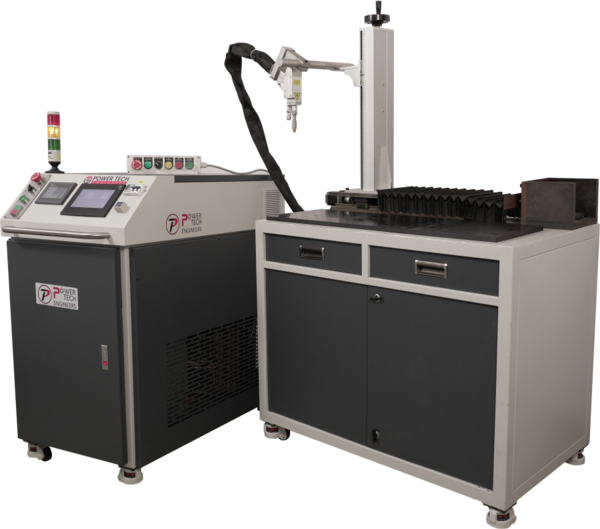
Semi Automatic Laser Welding Machine For Effortless Precision: Revolutionize Welding with Our Semi-Automatic Marvel! Introducing Our Cutting-edge Semi-Automatic Welding Machine – Where Precision meets Efficiency! Designed for seamless welding experiences, this state-of-the-art machine combines the ease of automation with the skill of manual control. Designed for versatility and ease of use, this cutting-edge machine empowers welders to achieve impeccable welds with precision and speed. Whether you're a seasoned professional or a novice, our Semi-Automatic Welding Machine ensures a seamless welding experience, making your projects a masterpiece. Elevate your welding game with the perfect blend of automation and craftsmanship. Semi Automatic Laser Welding Machine has advantages over Manual Welding ● Increased Efficiency: It enhances productivity by automating repetitive tasks, allowing operators to focus on precise welding control. ● Consistent Quality: It ensures consistent weld quality through steady speed and electrode placement, mitigating challenges associated with human factors like fatigue and skill variability in manual welding. ● Reduced Operator Fatigue: It minimizes operator physical strain, enhancing comfort, reducing fatigue, and improving concentration for heightened job satisfaction. ● Cost Savings: It offers cost savings by boosting productivity and diminishing the reliance on highly skilled welders, presenting a cost-effective solution for diverse welding applications. In summary, Semi-Automatic Welding Machines provide a balanced solution, combining the precision and efficiency of automation with the flexibility of manual welding, finding application in scenarios requiring a middle-ground approach and offering advantages in specific contexts.

6814772a5d263414004dd4a4 Card 2

product image
Laser Welding Machine

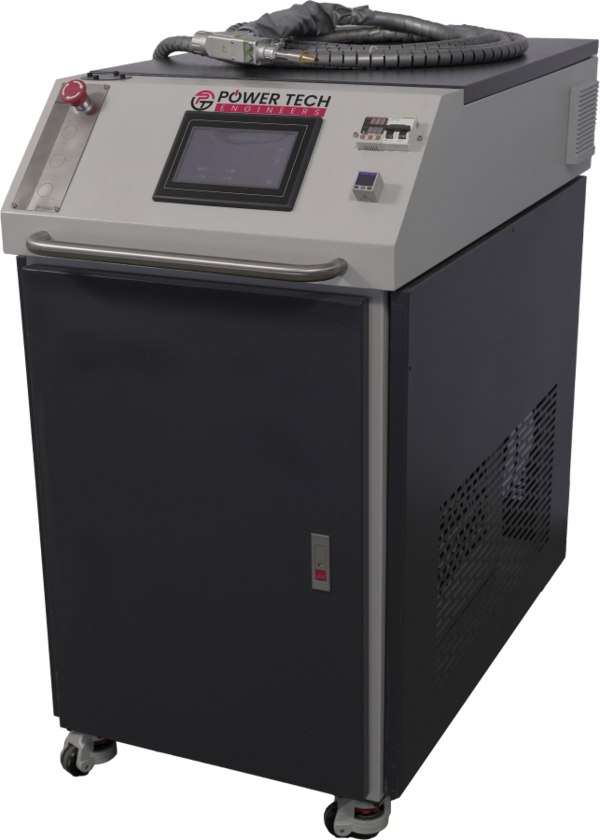
Laser welding, or Laser Beam Welding (LBW), employs a focused laser beam for melting and fusing metal components. This process allows for high-speed welding of thin materials and produces narrow, deep welds for thicker materials, ensuring precision in joining metal parts. LBW is a versatile fusion welding method applicable to various materials, including carbon steels, HSLA steels, stainless steel, aluminum, and titanium. While it excels in high-quality welds, special attention is needed for high-carbon steels due to potential cracking from rapid cooling. The use of high-power gas lasers, particularly suitable for high-volume applications, makes LBW a prevalent choice in the automotive industry. In fiber lasers, the main medium is the optical fiber itself. They are capable of power up to 50 kW and are increasingly being used for robotic industrial welding. Laser Welding has many advantages over traditional welding methods 1. Precision and Control - Laser welding offers precise control over heat input and weld placement. 2. Efficiency - Rapid heating and cooling process reduces overall cycle time. 3. Strength and Versatility - High temperatures achieved by lasers result in strong and durable welds, suitable for a wide range of materials and thicknesses. 4. Adaptability and Automation - The process is easily automated and compatible with robotic machinery. 5. Safety - Unlike some methods, laser welding doesn't generate x-rays. 6. Clean and Precise - Lower porosity, less spatter, and low thermal impact contribute to clean and precise welds. 7. Deep and Narrow Welds - Laser welding can achieve deep and narrow welds. 8. Electrode-Free - The process doesn't require an electrode.

6814772a5d263414004dd4a4 Card 2

product image
Fiber Laser Cutting Machine

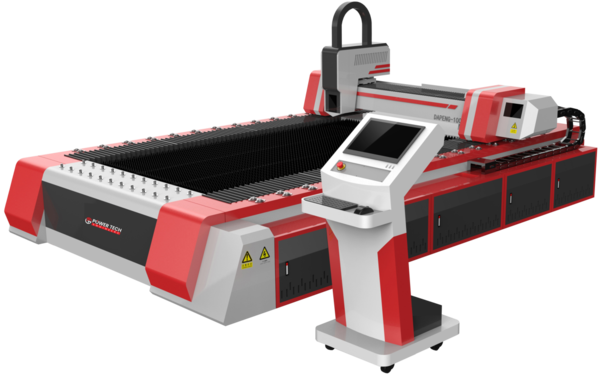
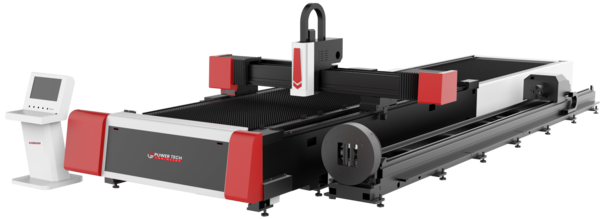
Laser Cutting utilizes a high-power laser to vaporize materials, creating precise cuts. The process involves directing a laser beam via optics and CNC technology to follow a predetermined pattern, melting or vaporizing the material. Automation, controlled by CAD/CAM systems, is common, offering accuracy, edge squareness and heat input control means surpassing traditional cutting methods like plasma and oxy-fuel. The focused laser beam is directed at the material, which then either melts, burns, vaporizes away, or is blown away by a jet of gas, leaving an edge with a high-quality surface finish. Advantages of Laser Cutting 1. Precision - Laser cutting enables extremely precise cuts, even in intricate patterns. 2. Speed - Often faster than traditional methods, leading to increased efficiency. 3. Energy Efficiency - Reduced energy consumption results in lower bills and greater overall efficiency. 4. Productivity - Higher productivity with lower operational costs offers a superior Return on Investment (ROI). 5. Material Versatility - Capable of cutting a variety of materials, including highly reflective ones like copper and brass. 6. Contamination Control - As the cutting is contactless, there is minimal contamination of the material. 7. Reduced Warping - Laser systems have a small heat-affected zone, reducing the chance of material warping during cutting. 8. Metal Cutting Precision - In metal cutting, laser cutting is more precise and energy-efficient compared to plasma cutting, especially for sheet metal. Laser cutting is a versatile and efficient technology that has found widespread use across various industries due to its accuracy and speed.

6814772a5d263414004dd4a4 Card 2

product image
Fiber Laser Cutting Machine

Introducing Powertech Engineers Rajkot's cutting-edge fiber laser cutting machine with rotary pipe cutting capabilities. Our innovative technology allows for precise and efficient cutting of various materials, making it an essential tool for any manufacturing process. As the leading fiber laser marking machine manufacturer in Rajkot, we guarantee superior quality and reliability. Upgrade your production line with Powertech Engineers Rajkot's Fiber Laser Cutting With Rotary Pipe Cutting machine today!

6814772a5d263414004dd4a4 Card 2

product image
Laser Machine

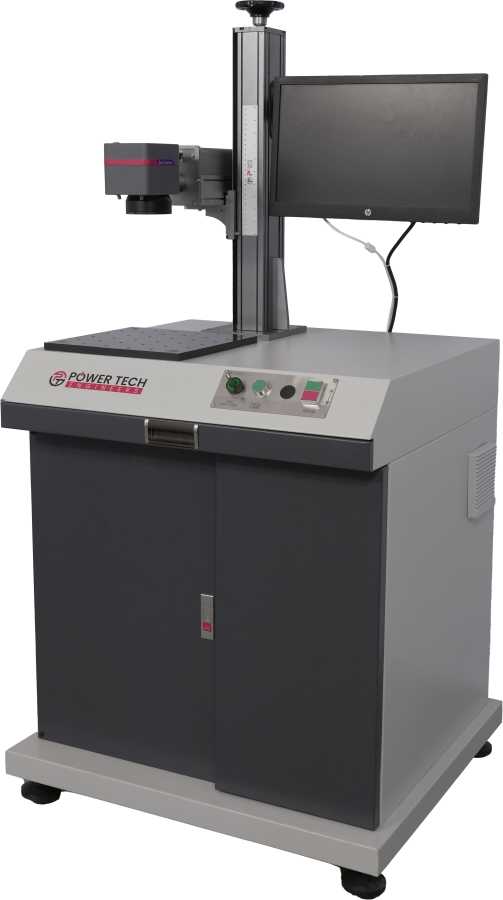
Laser Marking is a non-contact process widely employed in various industries. Utilizing a laser beam, it precisely marks or engraves surfaces with notable advantages of permanence and speed. Unlike traditional methods, Laser Marking doesn't require tool bits or consumables, making it a clean and efficient technology. Types of Laser Marking ● Engraving - Material removal creates a visible mark on the surface. ● Annealing - Laser-induced heat causes oxidation beneath the surface which results in a color change without material removal, providing a durable mark. ● Foaming - Certain materials foam and create a raised mark when the laser heats and vaporizes the surface which produces a distinctive raised mark on specific materials. ● Coloration - Some materials undergo a color change when exposed to the laser resulting in a color change on the material's surface without material removal. Materials Suitable for Laser Marking ● Commonly Marked Metals - Steel, aluminum, brass, mild steel, titanium and widely used for precise marking on various metal surfaces. ● Markable Plastic Types - PPE, PET, UPVC, CPVC, HDPE, ABS. Advantages of Laser Marking System ● High Precision - Enables intricate and precise designs with accuracy. ● Non-contact Process - Eliminates tool wear and contamination, ensuring a clean marking process. ● Durability and Resistance - Laser marks are inherently durable and resistant to wear, constituting a permanent marking process. ● Speed for High-volume Production - Fast processing makes laser marking well-suited for high-volume production environments. Applications ● Product Identification - Commonly employed for part numbering, serial numbers, and barcode marking. ● Branding and Logo Marking - Companies utilize laser marking to add logos or brand names to their products. ● Medical Device Marking - Essential for marking medical instruments and devices with crucial information. ● Automotive Components - Marking parts for traceability and quality control in the automotive industry.

Subcategory Tags

Phone Number

Email Address ask@powertecheng.in

Mon-Thu: 10 AM - 2 PM • Fri: 3 PM - 7AM

Other Website Visit our other website
Address Shreenathji Industrial Area Phase 2, Survey No 472/480, Plot No.8 Lodhika, Dist, Khambha, Gujarat 360311

Rajkot, India, 360004