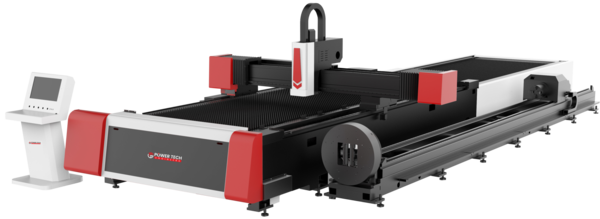
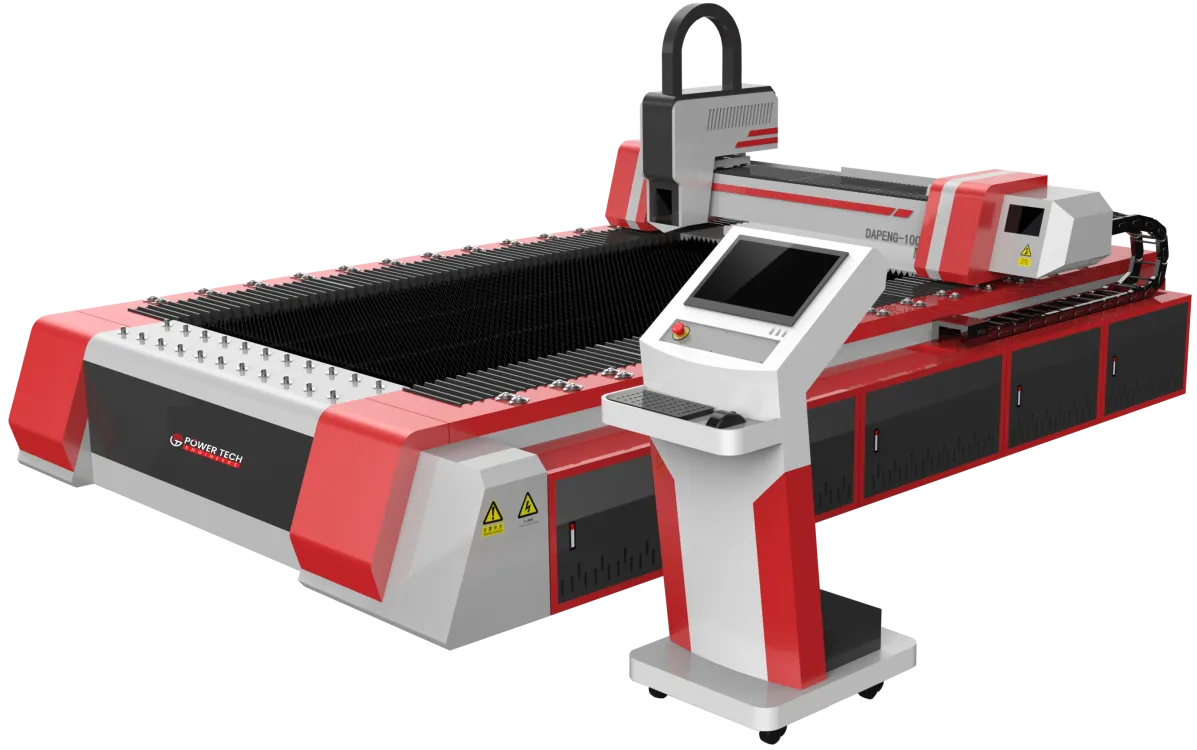


Fiber Laser Cutting
Description
Laser Cutting utilizes a high-power laser to vaporize materials, creating precise cuts. The process involves directing a laser beam via optics and CNC technology to follow a predetermined pattern, melting or vaporizing the material. Automation, controlled by CAD/CAM systems, is common, offering accuracy, edge squareness and heat input control means surpassing traditional cutting methods like plasma and oxy-fuel. The focused laser beam is directed at the material, which then either melts, burns, vaporizes away, or is blown away by a jet of gas, leaving an edge with a high-quality surface finish.
Advantages of Laser Cutting
1. Precision - Laser cutting enables extremely precise cuts, even in intricate patterns.
2. Speed - Often faster than traditional methods, leading to increased efficiency.
3. Energy Efficiency - Reduced energy consumption results in lower bills and greater overall efficiency.
4. Productivity - Higher productivity with lower operational costs offers a superior Return on Investment (ROI).
5. Material Versatility - Capable of cutting a variety of materials, including highly reflective ones like copper and brass.
6. Contamination Control - As the cutting is contactless, there is minimal contamination of the material.
7. Reduced Warping - Laser systems have a small heat-affected zone, reducing the chance of material warping during cutting.
8. Metal Cutting Precision - In metal cutting, laser cutting is more precise and energy-efficient compared to plasma cutting, especially for sheet metal.
Laser cutting is a versatile and efficient technology that has found widespread use across various industries due to its accuracy and speed.